CO₂ Industry
Industria Química

About CO₂
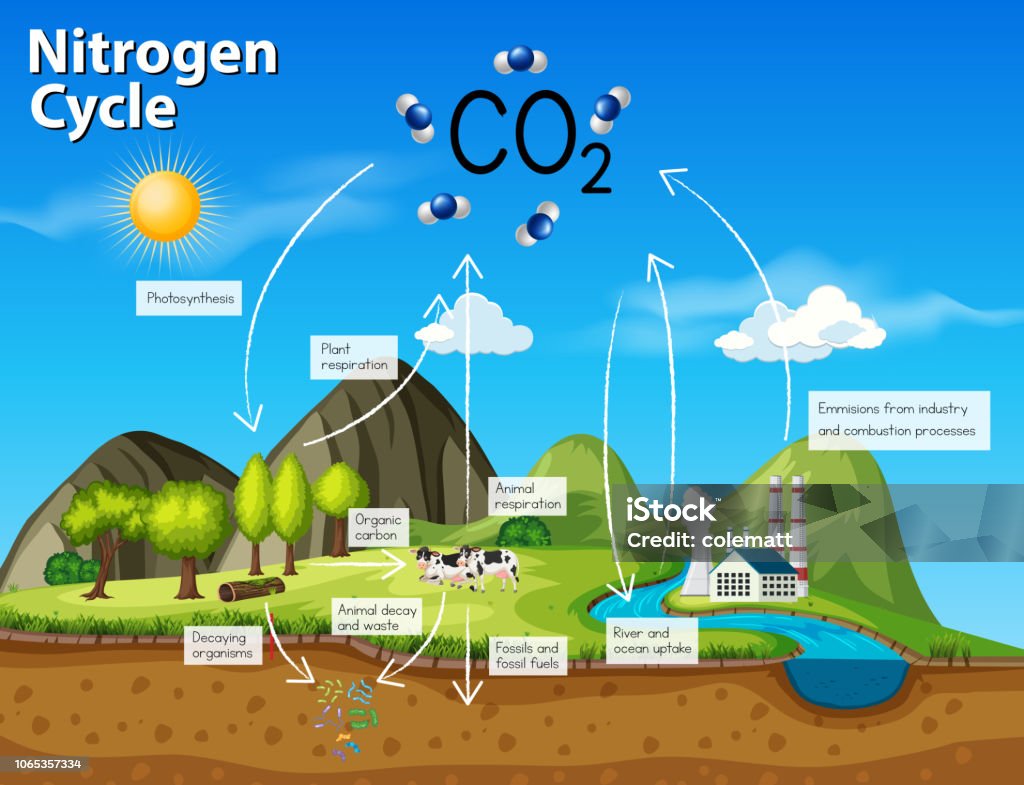
Carbon dioxide (CO₂) is an indispensable part of the cycle for living organisms on Earth. It plays a vital role in respiration. Oxygen reaches the lungs through the upper respiratory tract and, transported by hemoglobin, exchanges places with carbon dioxide brought to the alveoli. The carbon dioxide is then expelled through the same pathway as the oxygen. During the day, plants absorb CO₂ and release oxygen. At night, they absorb oxygen and release CO₂.
Carbon dioxide is a colorless, odorless, non-toxic gas, approximately 1.5 times heavier than air. In excessive amounts, it can reduce oxygen levels in the air, causing a suffocating effect.
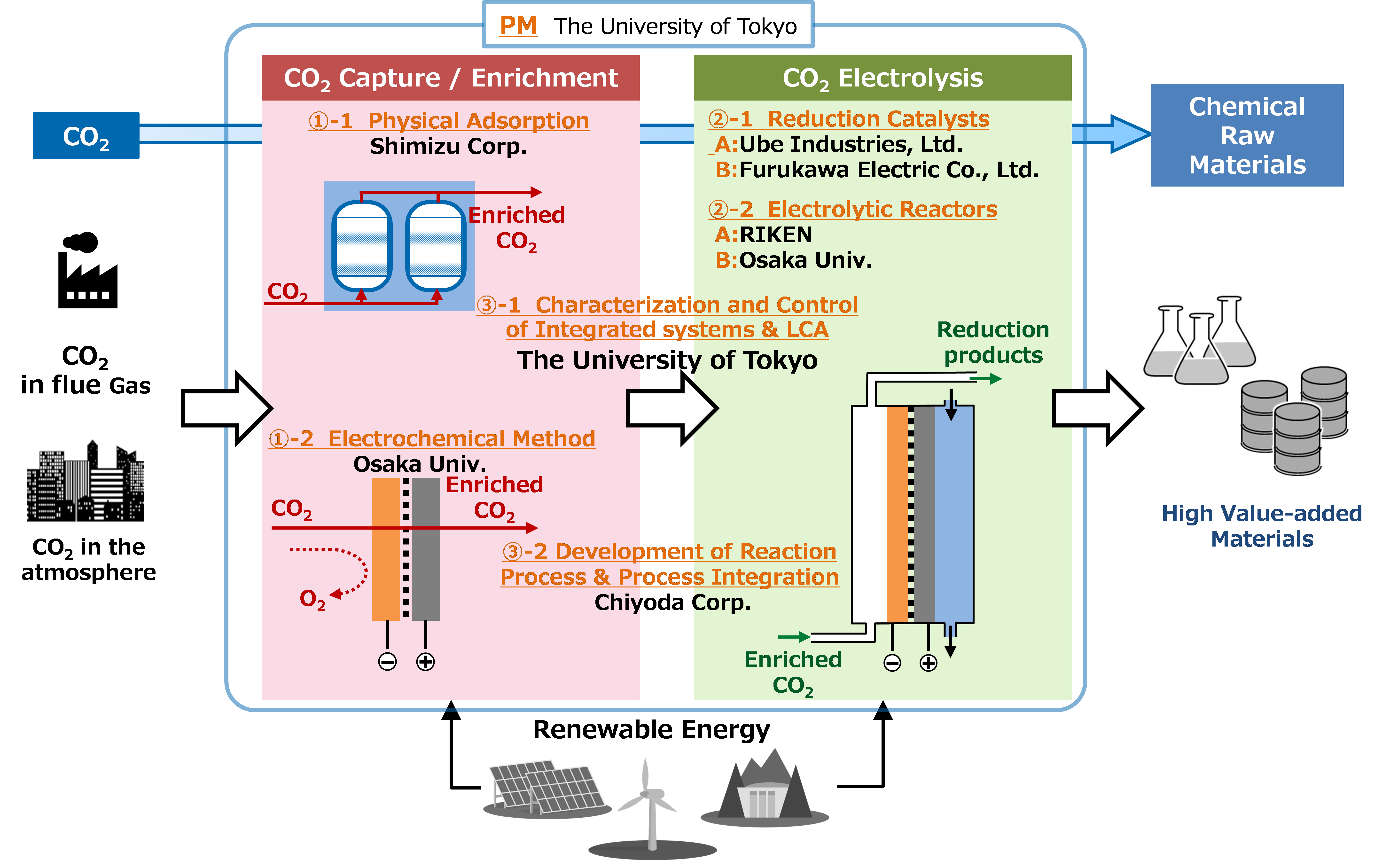
CO₂ is obtained from natural sources (volcanic sources, geothermal sources, etc.) and flue gases. The quality of CO₂ extracted from underground sources is higher than that produced by other methods.
Under normal conditions, carbon dioxide is a colorless, odorless, and tasteless gas at low concentrations. It is represented by the symbol CO₂ and consists of one carbon atom and two oxygen atoms: O=C=O.
Carbonic Acid
When combined with water, it forms a weak acid called carbonic acid (H₂CO₃).
Carbonic Acid vs. Carbon Dioxide
Although the term "carbonic acid" is commonly used, it often refers to CO₂ itself rather than the weak acid.
CO₂ + H₂O → H₂CO₃
Phase States of CO₂
Depending on pressure and temperature, CO₂ exists in:
Solid state
Liquid state
Gaseous state
CO₂ Technical Specifications
Liquid State
Under appropriate pressure and temperature, CO₂ exists in liquid form. However, CO₂ cannot remain liquid at atmospheric pressure.
Critical Point
CO₂ is in a liquid state below its critical temperature (31°C) and above the triple point (-56.6°C at 5.18 bar (a) pressure).
Critical Point Properties:
Critical temperature: 31°C
Critical pressure: 73.825 bar
Critical density: 464 kg/m³
Above the critical point, it becomes impossible to convert CO₂ from gas to liquid.
The liquid state is crucial for storage, transportation, and refrigeration processes.
If pressure is released while in liquid form, gas and solid CO₂ form, reaching -79°C due to absorbed vaporization heat.
Solid State (Dry Ice)
When liquid CO₂ is sprayed at atmospheric pressure, it self-freezes, forming dry ice.
Below the triple point (5.18 bar and -56.6°C), CO₂ exists only in solid and gas states.
Sublimation:
Solid CO₂ transitions directly into gas, leaving no residue. This means it does not moisten the cooled product.
Sublimation temperature: -78.9°C (≈ -79°C) at 0.981 bar (atmospheric pressure).
Latent heat of sublimation: 571.08 kJ/kg.
Density (compressed): ~1500 kg/m³.
Dry ice is non-toxic, non-flammable, inert, odorless, tasteless, and bacteriostatic. It is an efficient cooling agent with high heat transfer efficiency.
Triple Point
At -56.6°C and 5.18 bar (a), CO₂ coexists in solid, liquid, and gas states.
Gaseous State
Above the critical point, CO₂ exists as a gas. It has a stable molecular structure and is chemically inert under normal conditions. However, at ~1700°C, it dissociates:
CO₂ → CO + ½ O₂
Key Properties of Gaseous CO₂:
Density: 2 kg/m³ (at 0°C, 1 atm).
1.5x heavier than air.
Colorless and invisible.
Odorless at low concentrations, but has a sharp, acidic smell at higher levels.
Safety Considerations:
Atmospheric concentration: ~0.035% (350 ppm).
3–5% CO₂ is used in respiratory devices.
>1% causes noticeable effects (increased breathing rate).
20,000 ppm (2%) leads to headaches, nausea, and fatigue.
>10% causes rapid unconsciousness, suffocation, and death.
Workplace exposure limit (Turkey): 5000 ppm (8-hour shift).
CO₂ does not support combustion—air with >10% CO₂ extinguishes open flames.
Summary of Properties
Property | Value |
Molecular weight | 44.01 g/mol |
Molecular volume | 22.263 m³/kmol |
Specific gas constant | 0.1889 kJ/(kg·K) |
Specific heat (25°C, 1 atm) | 850 J/kg |
Liquid density (-56.6°C) | 1.1778 kg/dm³ |
Gas density (0°C, 1 atm) | 2 kg/m³ |
Specific gravity (air=1) | 1.528 |
Critical temperature | 31.1°C |
Critical pressure | 73.825 bar |
Critical density | 464 kg/m³ |
Sublimation point | -78.5°C |
Latent heat of sublimation | 571.08 kJ/kg |
Triple point | -56.6°C, 5.18 bar (a) |
Applications of CO₂
Beverages & sodas
Food freezing
Greenhouse fertilization
Pest control
Wastewater treatment
Welding (shielding gas)
Fire suppression
Dry ice production
Industrial refrigeration
Production Methods
Flue gas recovery
Chemical reactions
Fermentation
Natural sources
Additional CO₂ Services
1. CO₂ Cooling (Batch Freezing)
Used for small-scale product freezing.
Liquid CO₂ circulates via fans in insulated chambers.
Automated temperature control via thermostats.
2. Food Freezing (Tunnels & Cabinets)
Continuous freezing on stainless steel belts.
Direct CO₂ spray ensures efficient cooling.
Modular design for scalability.
3. pH Control in Wastewater
Replaces mineral acids for safer pH adjustment.