PLC Systems
PLC Systems
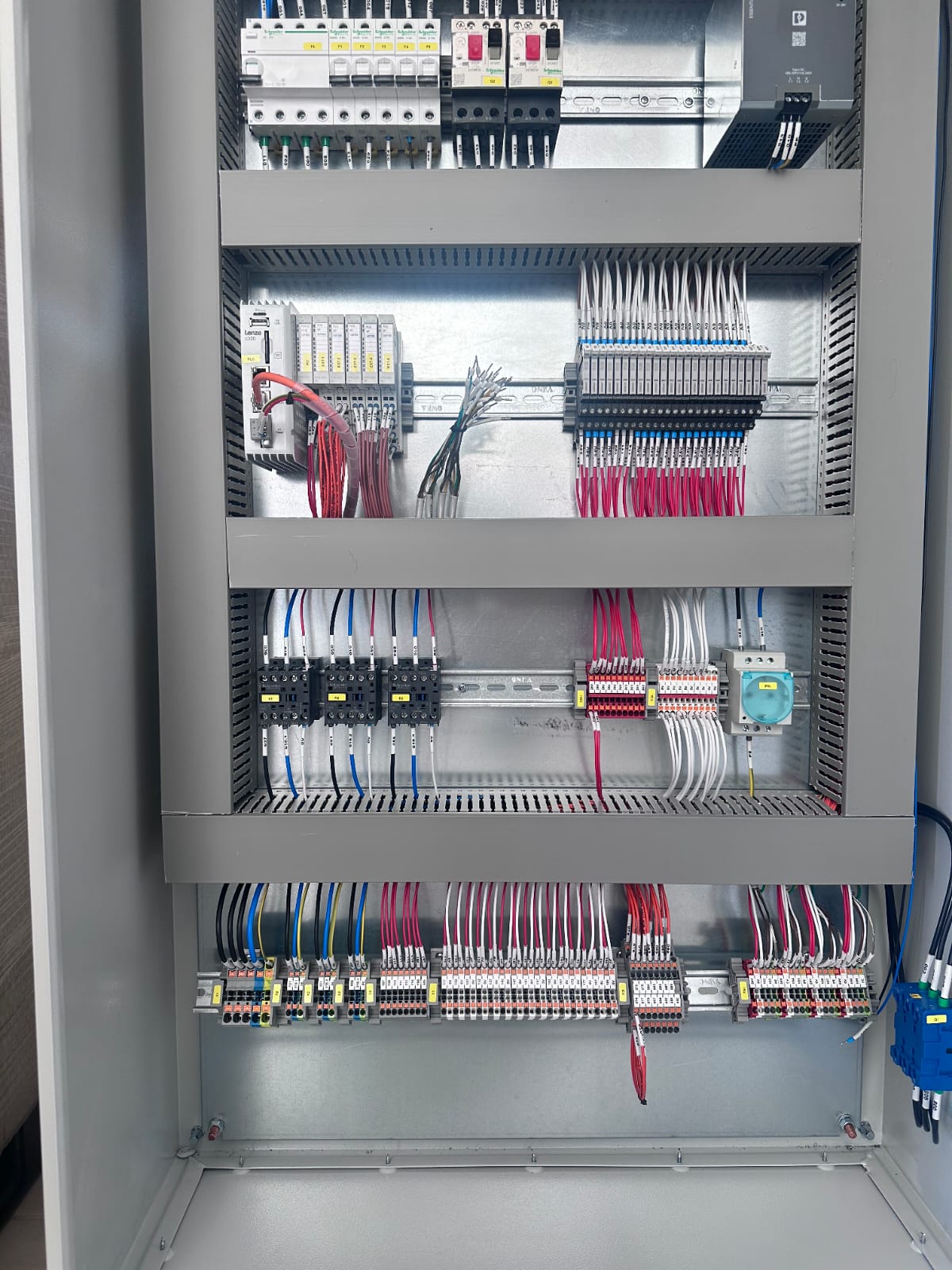
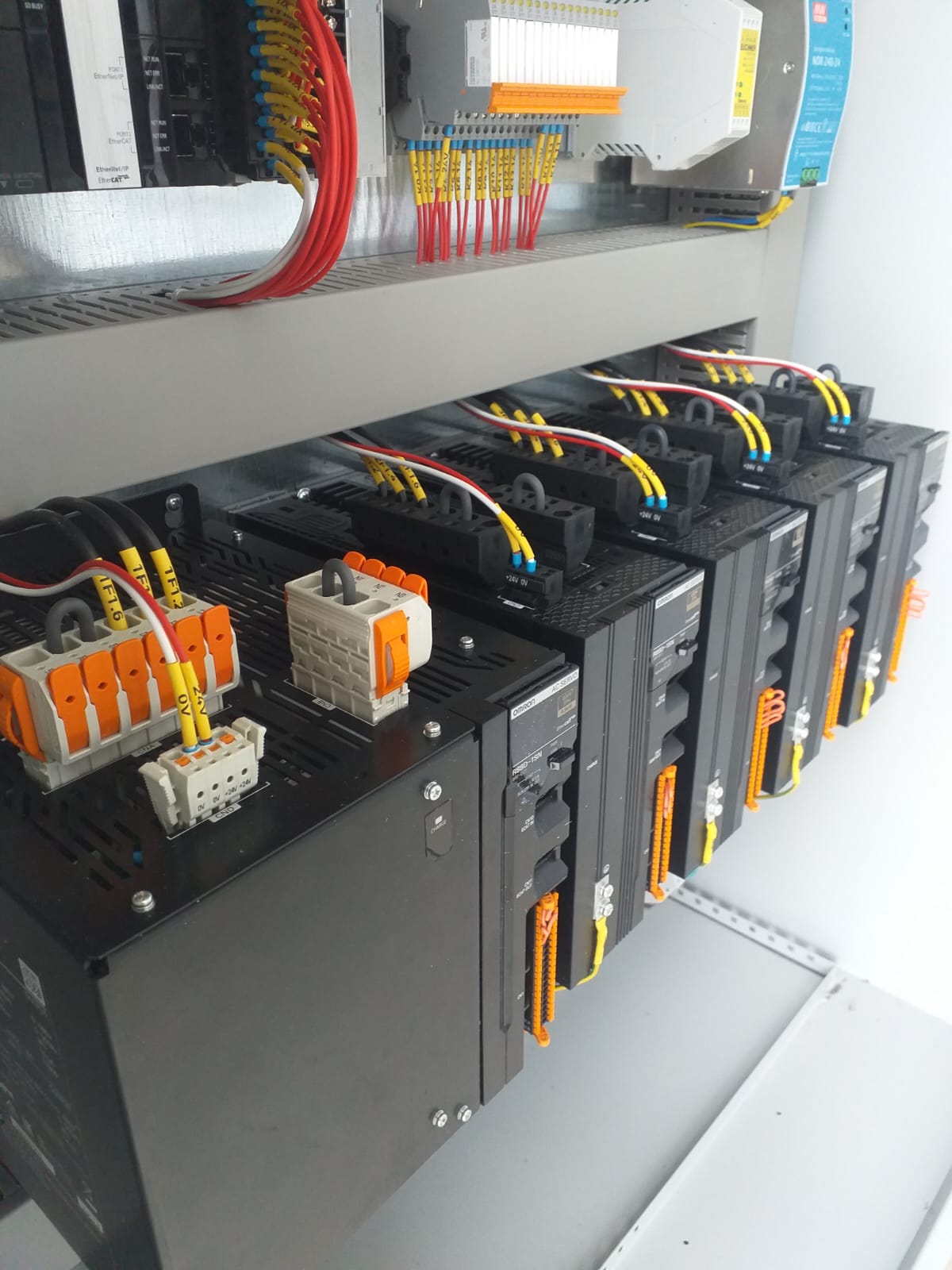
A PLC (Programmable Logic Controller) is a microprocessor-based control device used in industrial environments. It receives digital or analog input signals, processes them according to a pre-written program, and generates digital or analog output signals. It replaces traditional relay-based control systems, offering a more flexible, reliable, and efficient control method.
The use of PLC (Programmable Logic Controller) systems offers numerous advantages, particularly in industrial automation and control systems, providing significant benefits over traditional methods. Here are the main advantages:
1. Flexibility and Ease of Programming
PLCs can be programmed in various languages such as Ladder Logic, Structured Text (ST), and Function Block Diagram (FBD).
Control logic can be easily modified via software without the need for physical circuit changes.
The same PLC can be reprogrammed for different applications.
2. High Reliability and Durability
Resistant to dust, moisture, vibrations, and electrical noise in industrial environments.
No moving parts, unlike mechanical relays, reducing the risk of wear and failure.
Long lifespan and capability for continuous operation.
3. Fast and Real-Time Control
Processes sensor signals in milliseconds and controls outputs.
Enables real-time operations for critical processes.
4. Easy Maintenance and Fault Diagnosis
Diagnostic features allow for quick problem identification.
Lower maintenance costs due to fewer cables and mechanical parts compared to relay and contactor systems.
5. Modular and Scalable Structure
Additional input/output (I/O) modules and communication modules (Ethernet, Profibus, CAN bus) can be added as needed.
Scalable from small machines to large factory automation systems.
6. Remote Monitoring and Data Collection (SCADA Integration)
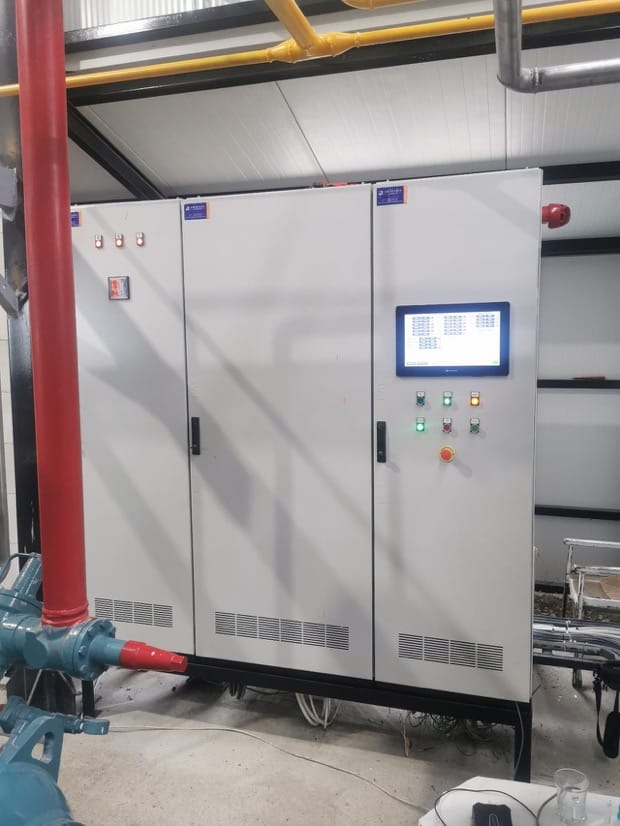
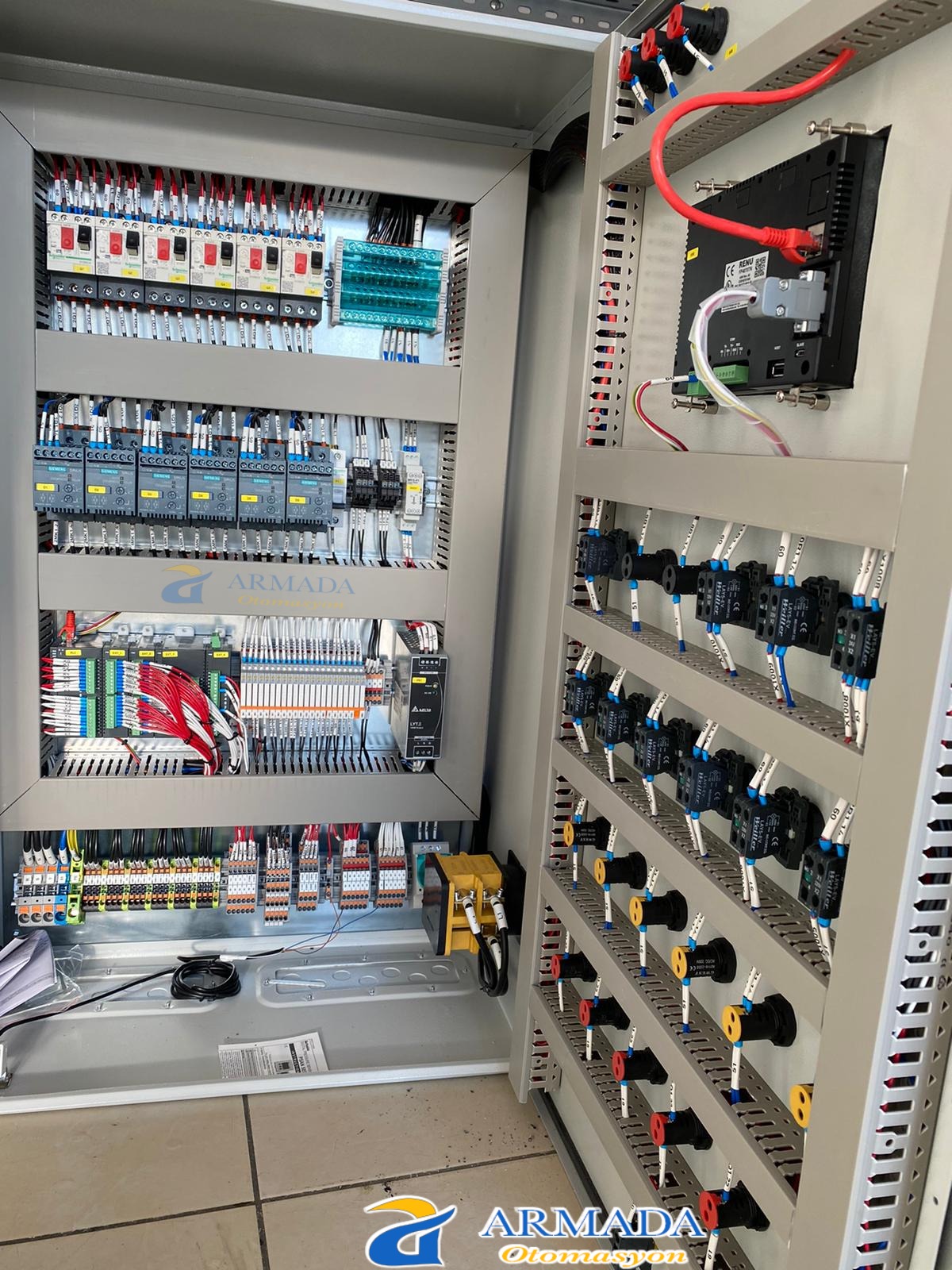
PLCs can integrate with SCADA and HMI (Human-Machine Interface) systems, enabling:
Real-time data monitoring.
Reporting.
Remote control.
7. Energy Efficiency and Cost Savings
Consumes less energy than mechanical relay systems.
Compact design saves space in cabling and panels.
Reduces long-term maintenance and operational costs.
8. Supports Complex Control Logic
Compatible with advanced functions such as PID control, timers, counters, and mathematical operations.
Allows synchronization of multiple machines or processes.
9. Takes Up Less Space Than Traditional Systems
Much more compact design compared to relay panels.
10. Safety and Compliance with Standards
Complies with industrial safety standards (ISO, IEC, UL).
Can be equipped with features like emergency stop (E-stop) and safety relays.
Conclusion
Today, automation is key to low-cost production without compromising quality. The primary way companies can reduce costs is by minimizing labor and defective production expenses.
Our company always stands by industrialists, using PLC systems of various brands and models tailored to user needs to reduce both initial installation and maintenance costs.